
Pest Library: identify common pests
Identify ants, cockroaches, termites, rats, squirrels, raccoons, bees, spiders and other pests in Houston and Fort Bend County. Learn signs and find local services.
Find your pest
Browse pest categories. Not every listed species is a common local pest, and identification does not guarantee that a particular service is available.
Ants
Carpenter ant, Pavement ant, Fire ant, Pharaoh ant
Identify pests →Cockroaches
American cockroach, Brown-banded cockroach, German cockroach, Oriental cockroach, Hissing cockroach
Identify pests →Termites
Termites, Formosan termite, Subterranean termite, Drywood termite
Identify pests →Rats and other rodents
Roof rat, Norway rat, Nutria
Identify pests →Squirrels
Squirrels
Identify pests →Raccoons and other wildlife
Raccoon, Opossum, Armadillo
Identify pests →Other household insects and parasites
Silverfish, Firebrat, Fleas, Ticks, Flies, Crickets, Earwigs, Carpet beetles
Identify pests →Spiders
Wolf spider, Jumping spider, Black widow spider, Brown recluse spider, Garden spider
Identify pests →Bees and wasps
Yellow jacket, Cicada killer, Hornet, Africanized bee, Bumblebee, Carpenter bee, European honeybee
Identify pests →Birds
Pigeon, Seagull, Blackbird, Sparrow, Crow
Identify pests →Ants
Ant trails, repeated indoor sightings and winged insects can indicate a colony nearby. Identification matters: carpenter ants excavate wood, while other species nest in soil or wall voids. Keep food sealed and address moisture. Avoid spraying suspected pharaoh ants, because disturbance may spread colonies. Flying ants can resemble termite swarmers; request identification before treatment.
- Carpenter ant — Large ants that may excavate damp or damaged wood.
- Pavement ant — Small ants often nesting near cracks in pavement or foundations.
- Fire ant — Stinging ants that can form soil mounds; avoid disturbing them.
- Pharaoh ant — Tiny pale ants that can form multiple indoor colonies.
Cockroaches
Cockroaches may hide around appliances, plumbing, cabinets and damp areas. Droppings, egg cases or frequent sightings can signal an infestation. Reduce food and water sources and arrange inspection for species-specific treatment.
- American cockroach — Large reddish-brown cockroach often associated with warm, damp sites.
- Brown-banded cockroach — Small cockroach with light bands; may occupy drier indoor areas.
- German cockroach — Small tan roach with two dark stripes behind its head; often found in kitchens.
- Oriental cockroach — Dark cockroach associated with cool, damp sheltered areas.
- Hissing cockroach — Large Madagascar hissing cockroach, generally kept in captivity rather than a typical Texas household pest.
Termites
Mud tubes, discarded wings, damaged wood and swarmers are reasons to arrange a termite inspection. Avoid disturbing evidence or treating before identification. Liquid treatments and baiting systems may be recommended depending on the species and property.
- Termites — Wood-feeding insects that can damage structures; inspection helps identify activity.
- Formosan termite — A subterranean termite capable of forming large colonies.
- Subterranean termite — Often associated with soil and shelter tubes leading to wood.
- Drywood termite — Can live within wood without direct soil contact; pellet-like frass may be visible.
Rats and other rodents
Rats in attics or kitchens may leave droppings, gnaw marks or nighttime scratching in walls. Secure food and avoid dry sweeping or vacuuming droppings. A professional can inspect entry points and discuss trapping, monitoring and exclusion.
- Roof rat — Agile climber that often nests above ground, including attics.
- Norway rat — Stockier rat commonly associated with ground-level burrows.
- Nutria — Large semi-aquatic rodent usually found near water rather than in houses.
Squirrels
Squirrels in attics may cause daytime scurrying or damage near roof openings. Noise alone does not identify the animal. Do not close an occupied opening before removal and checks for dependent young.
- Squirrels — Tree squirrels may nest in attics and gnaw wood or wiring.
Raccoons and other wildlife
If you have a raccoon in your attic, keep pets and children away and arrange a professional assessment. Do not handle wildlife or block occupied openings. Removal and exclusion should account for dependent young and applicable wildlife rules.
- Raccoon — Nocturnal mammal with a dark facial mask and ringed tail; may enter attics.
- Opossum — Nocturnal marsupial that may shelter under structures.
- Armadillo — Burrowing mammal often associated with digging in lawns.
Other household insects and parasites
Identify the pest and address food, moisture, entry gaps and other conditions before choosing control measures. Ask our office about service availability for the particular pest.
- Silverfish — Wingless insects with silvery scales; often found in sheltered areas.
- Firebrat — Related to silverfish; often prefers warm locations.
- Fleas — Small jumping parasites that may be associated with pets or wildlife.
- Ticks — Blood-feeding arachnids; avoid bare-hand contact.
- Flies — Various species may breed around decaying material or other organic sources.
- Crickets — Chirping insects that sometimes enter buildings.
- Earwigs — Insects with rear pincers, often found in damp sheltered spots.
- Carpet beetles — Larvae may feed on wool, feathers and other animal-derived materials.
Spiders
Most spiders are beneficial predators; identification is important when a potentially medically significant species is suspected. Avoid handling unfamiliar spiders.
- Wolf spider — Ground-hunting spider that does not use a web to capture prey.
- Jumping spider — Active visual hunter, often seen on walls or windows.
- Black widow spider — Potentially medically significant spider; avoid handling.
- Brown recluse spider — Potentially medically significant spider; identification requires care.
- Garden spider — Outdoor web-building spider often found around vegetation.
Bees and wasps
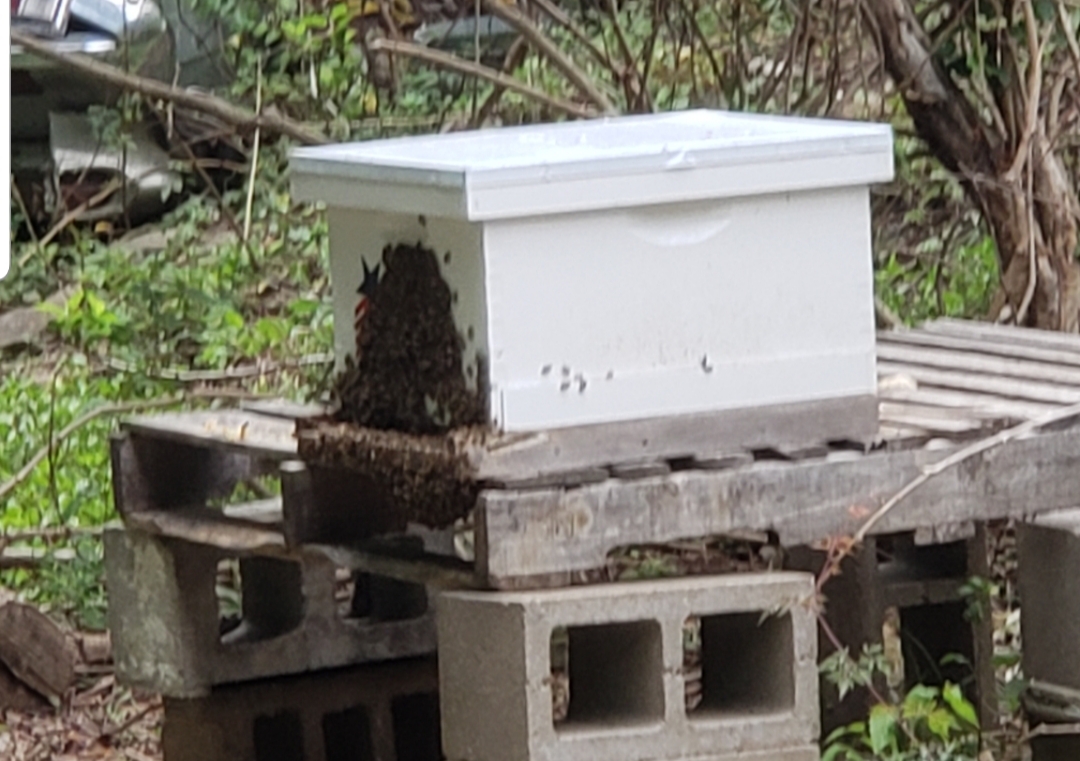
Keep a safe distance from active colonies and avoid disturbing nests. Honeybees are valuable pollinators; our team relocates honeybees when safe and practical. Ask about the appropriate service for other stinging insects.
- Yellow jacket — Social wasp that may defend a nest aggressively.
- Cicada killer — Large solitary wasp often associated with ground burrows.
- Hornet — Social wasp; nest identification and safe distance are important.
- Africanized bee — Honeybee populations may be more defensive; appearance alone does not reliably identify them.
- Bumblebee — Fuzzy pollinating bee that can nest in sheltered spaces.
- Carpenter bee — Large bee that excavates nesting tunnels in wood.
- European honeybee — Social pollinating bee that may form colonies in trees or structures.
Birds
Birds can be beneficial and many species are legally protected. Avoid disturbing active nests; ask about appropriate prevention or service availability.
- Pigeon — Often roosts on ledges and buildings.
- Seagull — Gulls may gather near food sources or water.
- Blackbird — A group of birds that may gather in large roosts.
- Sparrow — Small birds that may nest in sheltered building spaces.
- Crow — Intelligent birds that may gather around food sources.
More pest identification resources
For additional educational information, consult Texas A&M AgriLife Extension household pest information, raccoon management guidance and tree squirrel guidance. Explore our articles and resources for more practical advice.
Serving Houston, Sugar Land, Richmond, Rosenberg and nearby communities. If you need help identifying a pest, call or text 281-342-7378. Texas pest control license TPCL 12884.